When Merit Is Stolen, India’s Future Is Too
On a sweltering afternoon at Delhi's Jantar Mantar, thousands of students stood with placards rather than textbooks. Similar protests echoed through Amritsar, Mumbai and several other cities. Their demand was strikingly simple: let examinations test knowledge, not privilege. The anger was not merely over another paper leak. It was over a deeper betrayal the collapse of faith in institutions that promise equal opportunity.
Corruption is often described as an economic crime, measured in lost revenue or bribery statistics. But its gravest cost is human. It steals confidence from the young, dignity from the honest, and legitimacy from the state. In a country where millions view education and competitive examinations as the surest route out of poverty, corruption does not merely distort governance; it rewrites destinies.

At its core, corruption is the abuse of entrusted power for private gain. Sometimes it is collusive, where officials and private actors quietly profit together through illegal contracts, manipulated tenders or leaked examination papers. At other times, it is coercive, where citizens are forced to pay bribes for services that are already theirs by right. While the forms differ, the consequence remains identical: public institutions cease to serve the public.
Few examples illustrate this crisis more vividly than India's examination system. Between 2016 and 2026, more than 150 recruitment and entrance examination papers were reportedly leaked, affecting nearly 7.5 crore aspirants. The recent NEET UG controversy alone disrupted the lives of over 22 lakh medical aspirants, with allegations that question papers were sold for as much as ₹40 lakh through organised interstate syndicates. For students who spend years preparing, such leaks represent not administrative lapses but the theft of hope itself.
The damage extends far beyond cancelled examinations. Meritocracy, perhaps the strongest moral foundation of a democracy, begins to crumble. A deserving student from a modest household loses not because of inadequate preparation but because someone else purchased an unfair advantage. The message absorbed by society is dangerous: honesty is optional; influence is decisive.
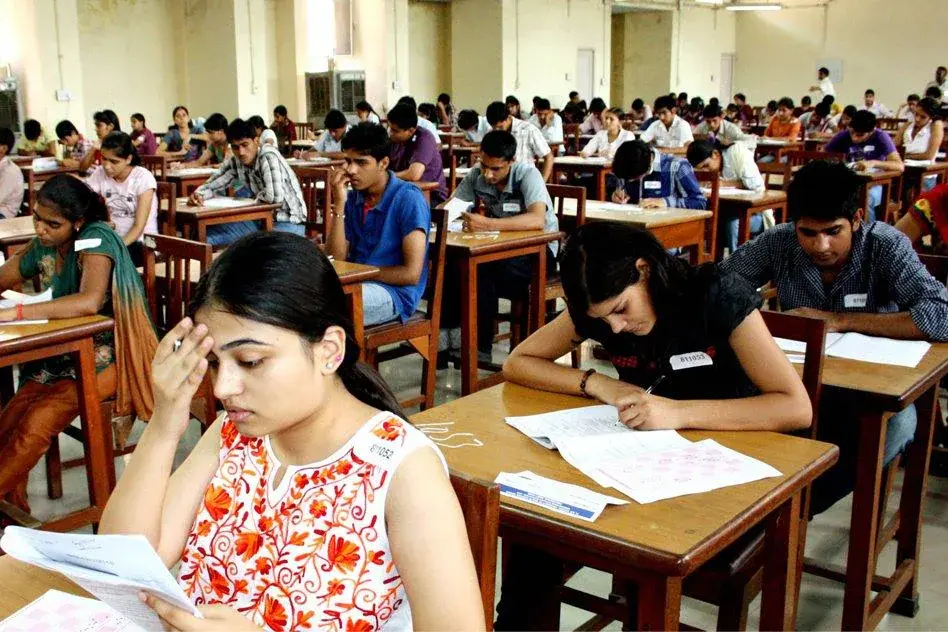
The psychological burden is equally devastating. Every examination postponed, cancelled or challenged in court prolongs uncertainty. Behind every statistic lies a family that borrowed money for coaching classes, a student who sacrificed sleep and social life, or a parent who believed education remained the one fair contest left. Tragically, repeated examination irregularities have been linked to rising emotional distress among aspirants, with several students taking their own lives after prolonged uncertainty and disappointment.
Corruption also weakens the country's future capacity. When doctors, engineers, civil servants or teachers enter professions through fraudulent means, competence becomes collateral damage. Public hospitals, infrastructure projects and government institutions eventually bear the cost of compromised recruitment. Corruption therefore ceases to be an isolated ethical failure; it evolves into a national security and developmental challenge.
The persistence of this crisis reflects deeper institutional weaknesses. Investigations are often slowed by legal sanction requirements before probing public officials. Corruption trials routinely stretch for years, reducing punishment into an abstraction rather than a deterrent. Oversight institutions remain weakened by delayed appointments and limited transparency, while amendments affecting access to public information have complicated citizens' ability to scrutinise administrative decisions. Such conditions create an ecosystem where accountability becomes the exception rather than the rule.

Repairing this damage demands more than harsher punishment. Fast track courts dedicated to examination fraud and corruption cases should ensure time bound justice. Examination agencies require statutory independence, professional expertise and technologically secure testing systems rather than ad hoc administrative arrangements. Anti-corruption institutions from the Lokpal to information commissions must function through transparent, bipartisan appointments insulated from political influence. Equally important is restoring the spirit of transparency that empowers citizens to question authority without unnecessary barriers.
India's aspiration to become a developed nation cannot rest solely on economic growth or technological progress. It must also rest on trust. A society where young people begin to believe that success depends less on effort than on money or connections risks losing not merely talent but faith itself.
The students who gathered at Jantar Mantar were asking for something larger than a leak-free examination. They were defending the idea that every child, regardless of wealth or background, deserves an equal chance. If corruption continues to erode that promise, India's greatest demographic advantage is youth may become its deepest disappointment. Protecting merit, therefore, is not simply about conducting fair examinations. It is about safeguarding the Republic's moral contract with its next generation.


Comments