How Smart Devices Are Revolutionizing the Concept of Connected Homes

Smart devices are transforming how we live by turning ordinary houses into connected homes. These devices create seamless interactions between appliances, security systems, lighting, and entertainment, making daily life more convenient and efficient. This post explores how smart technology is reshaping homes, offering practical examples and insights into the benefits and challenges of connected living.
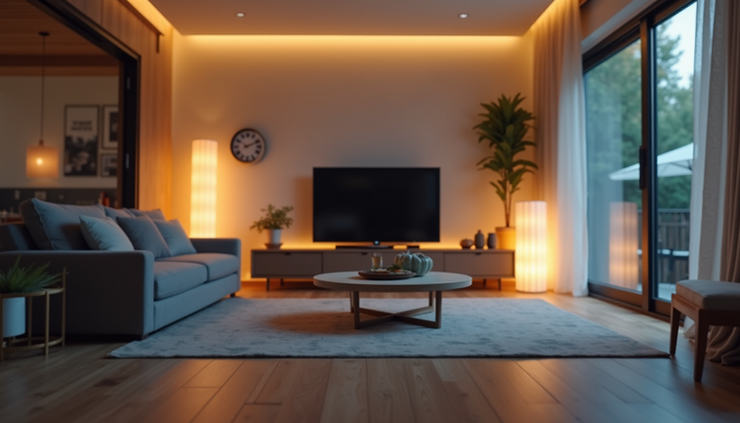
What Makes a Home Connected?
A connected home uses smart devices that communicate with each other and the homeowner through the internet. These devices include smart thermostats, security cameras, voice assistants, lighting systems, and appliances. The goal is to create an environment where technology anticipates needs and responds automatically or with simple commands.
For example, a smart thermostat learns your schedule and adjusts the temperature to save energy when you are away. Smart lights can turn on as you enter a room or change colors based on your mood. Security cameras send alerts to your phone if they detect unusual activity. These features work together to improve comfort, safety, and energy efficiency.
Key Benefits of Smart Devices in Connected Homes
Smart devices offer several advantages that appeal to homeowners looking for convenience and control:
Energy Savings
Smart thermostats and lighting systems reduce energy waste by adapting to your habits. According to the U.S. Department of Energy, smart thermostats can save up to 10-12% on heating and 15% on cooling bills annually.
Enhanced Security
Connected security cameras, smart locks, and motion sensors provide real-time monitoring and alerts. You can check your home remotely and control access, increasing peace of mind.
Convenience and Automation
Voice assistants like Amazon Alexa or Google Assistant allow hands-free control of devices. Automation routines can turn off all lights and lock doors with a single command or based on your location.
Improved Comfort
Smart devices adjust lighting, temperature, and even play music to create a personalized atmosphere. For example, smart blinds can open in the morning to let in natural light.
Examples of Smart Devices Transforming Homes
Several smart devices have become popular for creating connected homes. Here are some examples:
Smart Thermostats
Nest and Ecobee learn your preferences and adjust heating and cooling automatically. They also provide energy reports to help you track usage.
Smart Lighting
Philips Hue and LIFX bulbs offer customizable colors and schedules. You can control them via smartphone apps or voice commands.
Smart Security Systems
Ring and Arlo provide video doorbells and cameras with motion detection and cloud storage. They integrate with other smart devices for comprehensive security.
Voice Assistants
Amazon Echo and Google Nest Hub act as central hubs to control other smart devices, answer questions, and manage daily tasks.
Smart Appliances
Refrigerators, ovens, and washing machines from brands like Samsung and LG include smart features such as remote monitoring and maintenance alerts.
Challenges to Consider in Connected Homes
While smart devices offer many benefits, there are challenges to keep in mind:
Privacy and Security Risks
Connected devices collect data and can be vulnerable to hacking. It is essential to use strong passwords, keep software updated, and choose devices from reputable brands.
Compatibility Issues
Not all smart devices work well together. Selecting products that support common standards like Zigbee, Z-Wave, or Wi-Fi helps ensure smooth integration.
Cost and Complexity
Setting up a fully connected home can be expensive and may require technical knowledge. Start with a few devices and expand gradually to avoid overwhelm.
How to Start Building a Connected Home
Creating a connected home does not require buying every smart device at once. Here are steps to begin:
Identify Your Needs
Decide what matters most: energy savings, security, convenience, or entertainment.
Choose a Central Hub
Select a voice assistant or smart home platform that supports many devices.
Start Small
Begin with one or two devices, such as smart bulbs or a thermostat, and learn how to use them.
Expand Gradually
Add compatible devices over time, focusing on those that improve your daily routine.
Secure Your Network
Use strong Wi-Fi passwords and enable two-factor authentication where possible.
The Future of Connected Homes
Smart devices will continue to evolve, becoming more intuitive and integrated. Advances in artificial intelligence and machine learning will allow homes to predict needs more accurately and adapt automatically. For example, future systems might adjust lighting and temperature based on your mood detected through wearable sensors.
Integration with renewable energy sources and electric vehicles will also grow, making homes more sustainable. As technology becomes more affordable, connected homes will become accessible to a wider audience, changing how people interact with their living spaces.


Comments