Harnessing Technology to Tackle Environmental Challenges Effectively

Environmental challenges such as climate change, pollution, and resource depletion threaten ecosystems and human well-being worldwide. While these problems are complex, technology offers practical tools to address them. From monitoring natural resources to reducing waste, technology can help us understand and manage environmental issues more efficiently. This post explores how technology supports environmental solutions and highlights specific examples where it makes a difference.
Using Technology to Monitor the Environment
One of the first steps in solving environmental problems is understanding them. Technology provides advanced methods to monitor air quality, water conditions, and biodiversity. Sensors and satellites collect real-time data that help scientists and policymakers track changes and identify pollution sources.
Air quality sensors measure pollutants like nitrogen dioxide and particulate matter in cities. This data guides regulations and alerts residents to unhealthy conditions.
Water monitoring devices detect contaminants in rivers and lakes, supporting efforts to protect aquatic life and ensure safe drinking water.
Satellite imagery tracks deforestation, ice melt, and urban expansion, offering a global perspective on environmental trends.
These tools improve decision-making by providing accurate, up-to-date information. For example, the European Space Agency’s Sentinel satellites deliver detailed images that help monitor forest health and illegal logging activities.
Technology in Renewable Energy Development
Transitioning from fossil fuels to renewable energy is critical for reducing greenhouse gas emissions. Technology drives this shift by making renewable sources more efficient and affordable.
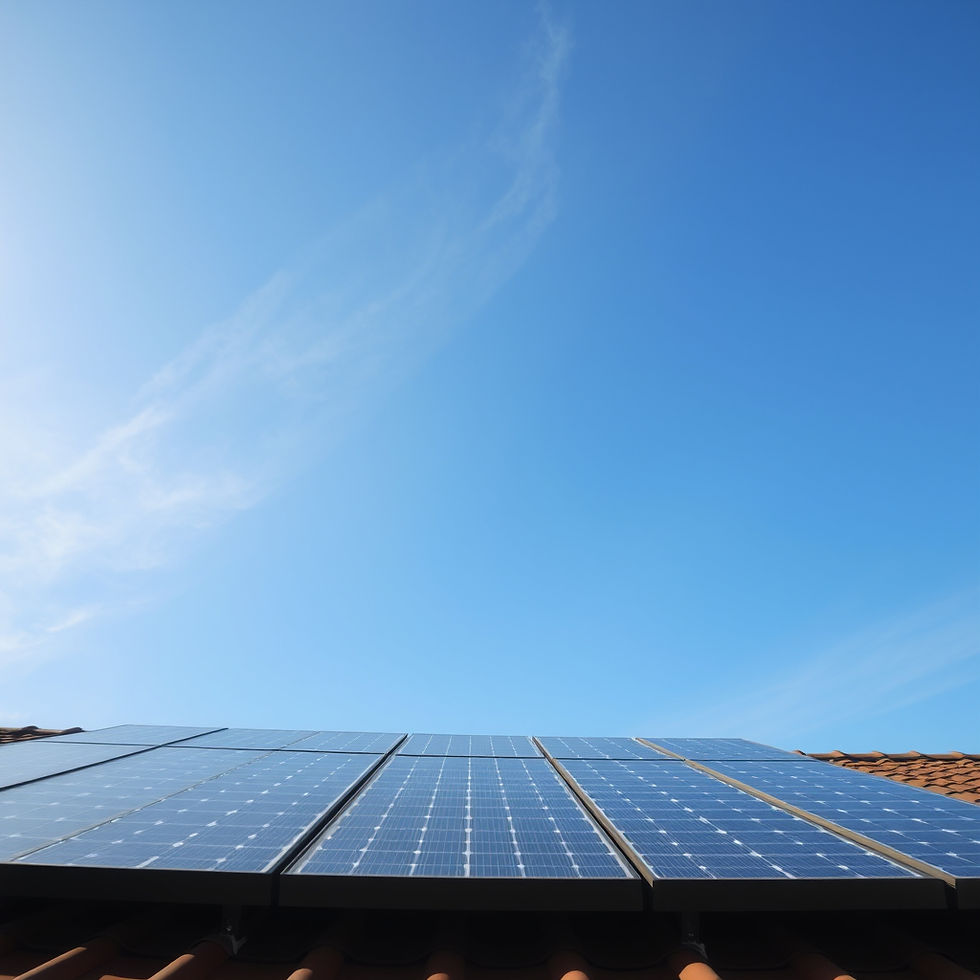
Solar panels convert sunlight into electricity and have become more efficient due to advances in materials and design.
Wind turbines capture wind energy and have grown larger and more reliable, increasing their output.
Energy storage systems like batteries store excess renewable energy for use when the sun isn’t shining or the wind isn’t blowing.
Countries like Germany and Denmark have successfully integrated high shares of renewable energy into their grids, thanks to smart technology that balances supply and demand. These innovations reduce reliance on coal and oil, cutting carbon emissions significantly.
Reducing Waste Through Smart Technology
Waste management is a major environmental challenge. Technology helps reduce waste generation and improve recycling processes.
Smart bins equipped with sensors notify waste collectors when they are full, optimizing collection routes and reducing fuel use.
AI-powered sorting systems identify and separate recyclable materials more accurately than manual methods.
Apps and platforms encourage consumers to reduce food waste by tracking expiration dates and suggesting recipes.
For instance, some cities use smart waste management systems that have cut landfill waste by up to 30%. These technologies not only reduce pollution but also conserve resources by promoting reuse and recycling.
Precision Agriculture to Protect Land and Water
Agriculture impacts the environment through water use, pesticide application, and soil degradation. Technology offers solutions that increase crop yields while minimizing environmental harm.
Drones and sensors monitor crop health and soil conditions, allowing farmers to apply water and fertilizers only where needed.
Automated irrigation systems reduce water waste by delivering precise amounts based on real-time data.
Data analytics help predict pest outbreaks and optimize planting schedules.
These approaches improve efficiency and reduce runoff that pollutes waterways. For example, precision agriculture has helped farmers in California reduce water use by 20% while maintaining production.
Challenges and Considerations
While technology offers many benefits, it is not a cure-all. Some challenges include:
Access and affordability: Developing countries may lack resources to implement advanced technologies.
Energy consumption: Some technologies require significant energy, which must come from clean sources to avoid worsening emissions.
Data privacy and security: Collecting environmental data must respect privacy and prevent misuse.
Addressing these issues requires collaboration between governments, businesses, and communities to ensure technology supports sustainable development equitably.


Comments