Exploring the Future of Robotics and Human-Machine Collaboration

Robotics technology is advancing rapidly, reshaping how humans and machines work together. This transformation is not about replacing people but about creating new ways for humans and robots to collaborate effectively. Understanding this future helps us prepare for changes in workplaces, industries, and daily life.
How Robotics Are Changing Workplaces
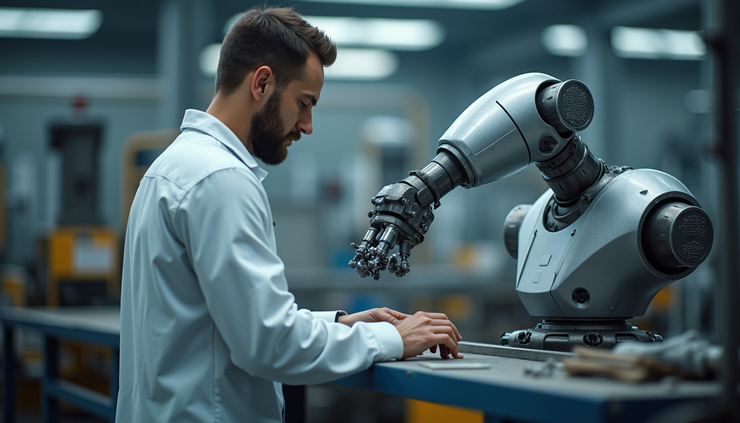
Robots have moved beyond simple, repetitive tasks. Today’s machines can learn, adapt, and interact safely with humans. This shift allows robots to assist in complex jobs, such as assembling electronics, performing surgeries, or managing logistics.
For example, in automotive factories, robots handle heavy lifting and precision welding while humans focus on quality control and problem-solving. This division improves efficiency and reduces workplace injuries.
The Role of Artificial Intelligence in Collaboration
Artificial intelligence (AI) plays a key role in human-machine collaboration. AI enables robots to understand their environment and respond to human actions in real time. This capability makes robots more flexible and useful in dynamic settings.
Consider warehouses where AI-powered robots navigate crowded spaces to pick and deliver items. They adjust their routes to avoid collisions and work alongside human workers without disrupting the flow.
Benefits of Human-Machine Collaboration
Working with robots offers several advantages:
Increased productivity: Robots handle repetitive or dangerous tasks, freeing humans to focus on creative and strategic work.
Improved safety: Robots can perform hazardous jobs, reducing accidents and health risks for workers.
Enhanced precision: Machines provide consistent accuracy, especially in manufacturing and medical procedures.
Greater flexibility: Collaborative robots can be reprogrammed quickly for different tasks, adapting to changing needs.
These benefits lead to better products, safer workplaces, and more satisfying jobs.
Challenges to Overcome
Despite progress, challenges remain in human-machine collaboration:
Trust and acceptance: Workers may hesitate to rely on robots due to fear of job loss or safety concerns.
Technical limitations: Robots still struggle with tasks requiring complex judgment or fine motor skills.
Integration costs: Installing and maintaining robotic systems can be expensive for some businesses.
Ethical considerations: Decisions about data privacy, job displacement, and accountability need careful attention.
Addressing these issues requires clear communication, training, and thoughtful design.
Examples of Successful Collaboration
Several industries showcase effective human-robot partnerships:
Healthcare: Surgical robots assist doctors with precision tasks, reducing recovery times and improving outcomes.
Agriculture: Robots monitor crops and perform harvesting, helping farmers increase yields with less labor.
Retail: Automated systems manage inventory and restock shelves, allowing staff to focus on customer service.
Construction: Robots handle heavy materials and perform repetitive tasks, improving safety and speed on job sites.
These examples demonstrate how collaboration can enhance productivity and quality.
What the Future Holds
Looking ahead, robotics and human-machine collaboration will become more common and sophisticated. Advances in sensors, AI, and machine learning will enable robots to understand human emotions and intentions better. This progress will allow smoother teamwork and more natural interactions.
We can expect robots to assist in homes, schools, and public spaces, supporting daily activities and improving accessibility. The workforce will evolve, with new roles emerging that combine human creativity and machine efficiency.
Preparing for the Change
To benefit from this future, individuals and organizations should:
Learn new skills related to robotics and AI.
Encourage collaboration between engineers, workers, and managers.
Invest in training to build trust and competence.
Stay informed about ethical and legal developments.
Embracing these steps will help society adapt and thrive alongside advancing technology.


Comments