Cities Innovating for Climate Resilience and Sustainability

Cities around the world face growing challenges as climate change brings more frequent heatwaves, flooding, and extreme weather. Urban areas, home to over half the global population, must adapt quickly to protect residents and infrastructure. Many cities are already taking practical steps to build resilience and reduce their environmental impact. This post explores how cities are responding to climate change with smart solutions that improve sustainability and quality of life.
Building Green Infrastructure
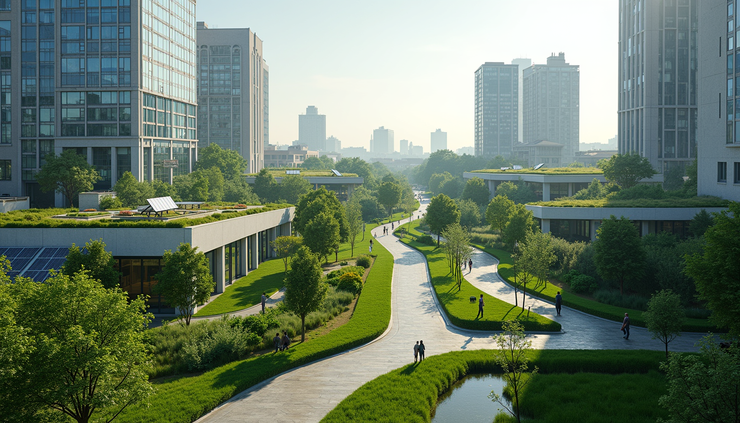
One of the most effective ways cities adapt to climate change is by investing in green infrastructure. This includes parks, green roofs, urban forests, and permeable pavements that absorb rainwater. These features reduce flooding by managing stormwater naturally and help cool urban heat islands.
For example, Philadelphia’s Green City, Clean Waters program has transformed streets and vacant lots into rain gardens and bioswales. These installations capture stormwater runoff, reducing pressure on sewer systems and improving water quality. Similarly, Singapore’s extensive network of green roofs and vertical gardens lowers temperatures and improves air quality in the dense city.
Green infrastructure also provides social benefits by creating pleasant public spaces that encourage outdoor activity and community connection. This approach shows how cities can address climate risks while enhancing urban life.
Upgrading Transportation Systems
Transportation is a major source of greenhouse gas emissions in cities. To reduce their carbon footprint and improve air quality, many cities are shifting toward sustainable transit options.
Copenhagen, Denmark, is a leading example with its extensive bike lanes and bike-sharing programs. Over 60% of residents commute by bicycle daily, cutting emissions and traffic congestion. The city also invests in electric buses and efficient public transit to reduce reliance on cars.
In the United States, cities like Portland and Seattle have expanded light rail networks and introduced electric scooters and car-sharing services. These options make it easier for people to choose low-impact travel, reducing pollution and noise.
By redesigning transportation systems, cities can lower emissions, improve health, and make streets safer for everyone.
Enhancing Building Efficiency
Buildings consume large amounts of energy for heating, cooling, and lighting. Improving energy efficiency in existing and new buildings is critical for climate adaptation and sustainability.
Many cities now require green building standards that promote insulation, energy-efficient windows, and renewable energy use. New York City’s Climate Mobilization Act mandates that large buildings cut emissions by 40% by 2030 through upgrades and clean energy.
In Vancouver, the city supports passive house designs that minimize energy use by maximizing natural light and ventilation. Retrofitting older buildings with smart thermostats and LED lighting also helps reduce energy consumption.
These measures lower utility costs for residents and reduce the strain on power grids during extreme weather events.
Preparing for Extreme Weather
Climate change increases the frequency of storms, floods, and heatwaves. Cities are developing early warning systems and emergency plans to protect vulnerable populations.
Tokyo has invested heavily in flood control infrastructure, including underground reservoirs and seawalls, to manage typhoon-related flooding. The city also runs public education campaigns to prepare residents for emergencies.
In Australia, Melbourne has created cooling centers and expanded tree canopy coverage to combat heatwaves. These efforts reduce heat-related illnesses and provide safe spaces for those without air conditioning.
By planning ahead and investing in protective infrastructure, cities can reduce damage and save lives during extreme events.
Promoting Community Engagement
Successful climate adaptation depends on involving local communities in decision-making. Cities are creating forums and programs that encourage residents to share ideas and participate in sustainability projects.
For instance, Amsterdam’s Climate Street program invites neighborhoods to test green technologies and energy-saving practices. This hands-on approach builds awareness and motivates behavior change.
Community gardens and urban farms also connect people to nature and increase local food security. Detroit’s urban agriculture movement has transformed vacant lots into productive green spaces that support residents and reduce food miles.
Engaging communities ensures that climate solutions meet local needs and build social resilience.


Comments