Understanding the Unique Dating Perspectives of Gen Z Compared to Previous Generations

Dating has evolved significantly over the past few decades. Each generation brings its own values, habits, and expectations to relationships. Gen Z, those born roughly between 1997 and 2012, approaches dating in ways that differ sharply from Millennials, Gen X, and Baby Boomers. Understanding these differences helps explain how cultural shifts, technology, and social attitudes shape modern relationships.
How Technology Shapes Gen Z’s Dating Experience
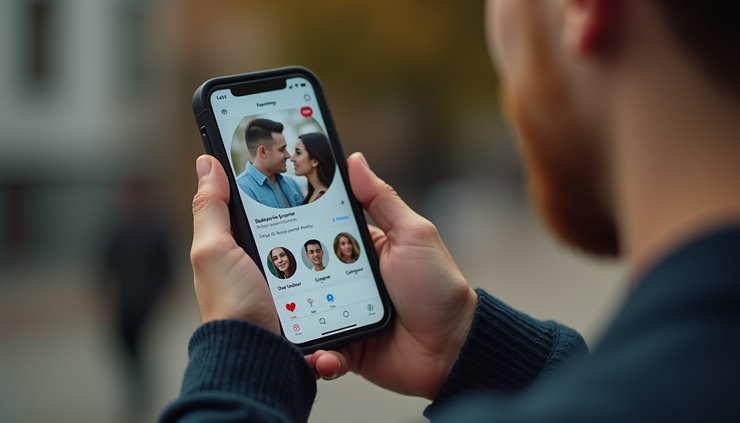
Technology plays a central role in how Gen Z connects with others. Unlike previous generations who relied on face-to-face meetings or traditional dating setups, Gen Z often meets potential partners through apps and social media platforms. This shift changes not only how people meet but also how they communicate and build relationships.
Instant communication: Texting, video calls, and social media messaging allow Gen Z to maintain constant contact, making relationships more immediate but sometimes more superficial.
Online dating apps: Platforms like Tinder, Bumble, and Hinge are common tools for meeting people. Gen Z tends to use these apps not just for casual dating but also for exploring identity and preferences.
Digital boundaries: Gen Z is more aware of privacy and digital footprints. They often set clear boundaries about what to share online, reflecting a cautious approach to digital intimacy.
This reliance on technology means Gen Z often balances virtual and real-world interactions, which can affect emotional connection and trust differently than in-person dating.
Changing Attitudes Toward Relationships and Commitment
Gen Z tends to approach relationships with different expectations compared to older generations. Many prioritize emotional health, personal growth, and authenticity over traditional milestones like marriage or long-term commitment.
Focus on self-awareness: Gen Z values understanding their own needs and boundaries before committing to a relationship.
Fluid relationship models: There is more openness to non-traditional relationship structures, such as open relationships or “situationships,” reflecting a desire for flexibility.
Mental health awareness: Gen Z openly discusses mental health and expects partners to be supportive, which influences how they choose and maintain relationships.
These attitudes reflect broader social changes, including increased acceptance of diverse identities and a rejection of rigid societal norms.
The Impact of Social and Cultural Shifts
Social movements and cultural changes have shaped Gen Z’s views on dating. Issues like gender equality, LGBTQ+ rights, and consent are front and center for this generation.
Equality in dating: Gen Z expects more balanced roles in dating, with shared decision-making and respect for boundaries.
Inclusivity: There is greater acceptance of different sexual orientations and gender identities, which broadens the dating pool and changes traditional dating scripts.
Consent culture: Clear communication and enthusiastic consent are non-negotiable for many Gen Z daters, reflecting a shift toward safer and more respectful interactions.
These factors contribute to a dating culture that values respect, honesty, and inclusivity more than previous generations might have.
Economic and Social Factors Influencing Gen Z Dating
Economic realities also shape how Gen Z approaches dating. Many face financial challenges that affect their dating habits and priorities.
Financial caution: With student debt and uncertain job markets, Gen Z often delays expensive dating activities or long-term commitments.
Prioritizing career and education: Many focus on personal development and career goals before settling into serious relationships.
Social media influence: The pressure to present a perfect image online can affect dating confidence and authenticity.
These factors mean Gen Z often dates with a practical mindset, balancing emotional desires with real-world constraints.
Practical Tips for Navigating Gen Z Dating Culture
For those looking to understand or engage with Gen Z dating culture, here are some practical points to keep in mind:
Communicate openly: Gen Z values honesty and clear communication about intentions and boundaries.
Respect digital boundaries: Understand that online privacy matters and avoid pressuring for information or contact.
Be flexible: Recognize that relationship models may differ from traditional expectations.
Support mental health: Show empathy and understanding around emotional well-being.
Avoid assumptions: Don’t assume gender roles or relationship goals; ask and listen instead.
These approaches foster healthier, more respectful connections that align with Gen Z’s values.


Comments