Trekking in India: 10 Routes From Beginner to Expert

From beginner-friendly Himalayan hikes to extreme high-altitude expeditions in Ladakh and Spiti, India offers trekking routes for every skill level — combining diverse landscapes, cultural experiences, and some of the most breathtaking mountain trails in the world.
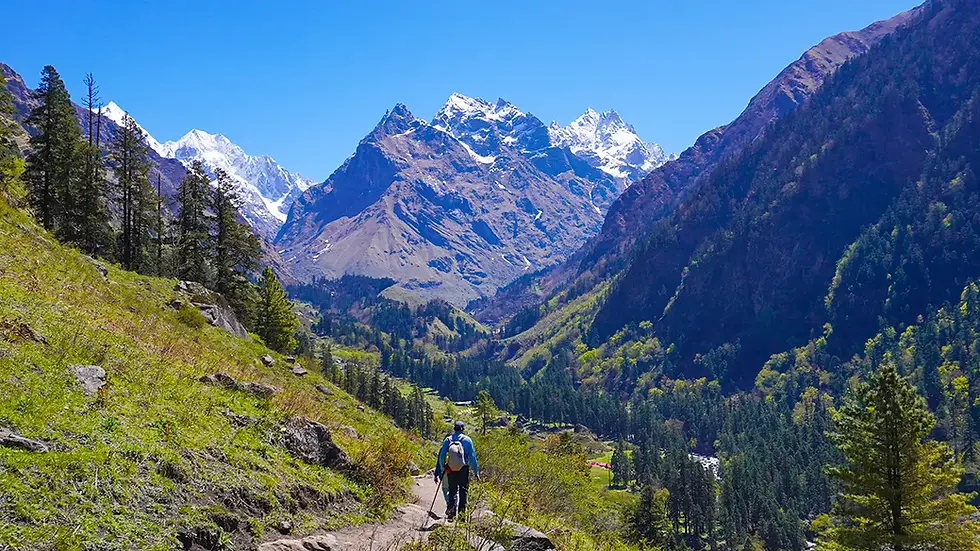
Every Level, Every Region
India's trekking landscape is among the most diverse in the world — from the Himalayan routes of the North to the Western Ghats trails of the South, from accessible day hikes to multi-week expeditions requiring technical skill and high-altitude acclimatisation. What follows is a level-structured guide across regions.
Beginner (No Prior Trekking Experience Required)
Triund, Himachal Pradesh: A 9 km trek from McLeod Ganj gaining approximately 900 metres of elevation, reaching a meadow with panoramic Dhauladhar range views. Doable in one day or with an overnight camp. The trail is well-marked, usually crowded on weekends, and presents no significant technical challenges. Ideal as a first Himalayan experience. Best months: April–June, September–November.
Kudremukh, Karnataka: The Western Ghats trekking at its most accessible. The Kudremukh National Park requires permits (obtainable in advance from the forest department) and a mandatory guide. The trail passes through shola forests and grasslands; the peak resembles a horse's face in silhouette. Elevation gain is modest; the primary challenge is distance (approximately 22 km round trip) rather than altitude. Best months: October–February.
Chopta-Tungnath, Uttarakhand: One of the most beautiful short treks in Uttarakhand, reaching the highest Shiva temple in the world (Tungnath) at approximately 3,680 metres, then continuing optionally to Chandrashila peak (4,000 metres). The route is well-trodden and the final stretch to Chandrashila requires some scrambling but no technical skill. Best months: April–June, September–November.
Intermediate (Basic Fitness Required, Some Altitude Experience Helpful)
Valley of Flowers, Uttarakhand: A UNESCO World Heritage Site that blooms with hundreds of alpine flower species in July and August. The trek from Govindghat to Ghangaria is 14 km each way; from Ghangaria to the Valley itself is another 3–4 km. The altitude (3,658 metres at the valley) requires some acclimatisation. The simultaneously excellent Hemkund Sahib pilgrimage site can be combined. Best months: July–August.
Hampta Pass, Himachal Pradesh: A 4-day trek crossing a high mountain pass (approximately 4,270 metres) connecting the Kullu Valley to the Lahaul Valley. The crossing produces dramatic landscape change — green forest giving way to arid Spiti-style terrain. Requires camping and some acclimatisation. Organised through trekking agencies in Manali. Best months: June–September.
Sandakphu, West Bengal/Nepal border: The highest point in West Bengal (3,636 metres) offers the only place in India where you can simultaneously see four of the world's five highest peaks — Everest, Kangchenjunga, Lhotse, and Makalu. The 5-day route from Maneybhanjang is doable without technical equipment but requires sustained effort at altitude. Best months: October–November, April–May.
Advanced (Good Fitness and Altitude Experience Required)
Chadar Trek, Ladakh: Walking on the frozen Zanskar River in January and February. The Chadar (sheet of ice) forms only in the coldest winter months and provides the only winter route for communities in the Zanskar Valley. Temperatures reach -20°C to -30°C; the physical demands are significant; the experience is entirely unlike any other Indian trek. Requires organised expedition with experienced guides. Best months: January–February only.
Dzongri, Sikkim: A 6-day trek in the Kangchenjunga Conservation Area reaching 4,030 metres with views of Kangchenjunga's west face. Requires permits obtainable in Gangtok, a mandatory guide, and organised logistics. The high altitude and extended duration require genuine fitness and prior acclimatisation. Best months: April–May, October–November.
Expert (Technical Skill and High Altitude Training Required)
Stok Kangri, Ladakh: At 6,153 metres, one of the highest non-technical peaks in the world accessible to serious amateurs. Requires genuine high-altitude acclimatisation (minimum 5 days in Leh before attempting), a technical ice axe and crampon section near the summit, and supervised ascent with an experienced guide. Not a casual adventure. Best months: July–September.
Pin Parvati Pass, Himachal Pradesh: A 10–12 day high-altitude crossing from the green Parvati Valley (Kullu) to the arid Pin Valley (Spiti) via a 5,319-metre pass. One of India's most challenging non-technical treks — glacial crossings, river fords, and extended above-4,000m camping. Only for experienced trekkers with appropriate gear and guide support. Best months: July–September.
Practical Notes for All Levels
Register with the local forest department or trek registration system for every trek. The requirements vary by state and trail. Hiring a registered local guide supports local economies and provides safety value that first-time trekkers systematically underestimate. Carry adequate water, a basic first aid kit, and emergency communication — a satellite communicator for remote routes. Never trek above 3,000 metres without adequate acclimatisation time.



Comments