The Psychology of Overspending: Why Indian Youth Splurge on Experiences

Indian youth often overspend on experiences due to FOMO, identity-driven choices, and present bias—turning emotional and social pressure into impulsive spending—while intentional budgeting can help align spending with genuine value instead of momentary urges.
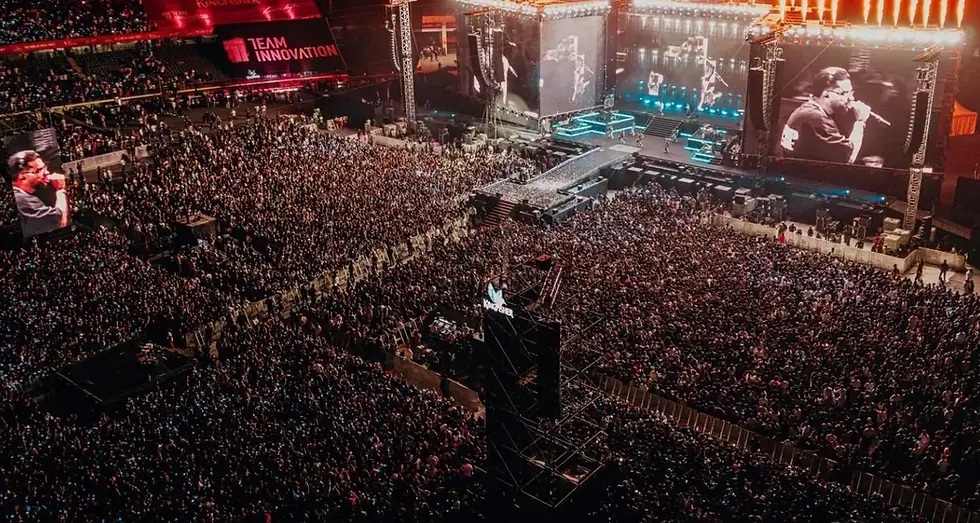
Emotional Spending vs Intentional Spending
There is a specific spending pattern that characterises a significant portion of Indian urban youth in their mid-twenties: careful, even frugal, in some domains (they track petrol costs and compare grocery prices), and surprisingly free-spending in others (a ₹3,000 restaurant dinner, a ₹15,000 music festival ticket, a spontaneous Goa trip that cost ₹20,000 they did not quite have). The inconsistency is not irrational. It reflects specific psychological mechanisms that, once understood, become much more manageable.
Why Experiences Over Things
The shift from products to experiences as the primary consumption category for young urban Indians is real and documented. Research in behavioural economics consistently finds that experiential purchases — travel, dining, concerts, classes — produce more lasting happiness than equivalent expenditure on material goods, because experiences become part of your identity and your stories while things become normal quickly. [Likely]
This finding has been enthusiastically absorbed by the generation that grew up with Instagram, where experiences are photographed, shared, and socially validated in ways that owning a new phone or a piece of furniture is not. The FOMO generated by other people's experiential posts drives experiential spending in ways that advertising for material goods cannot easily replicate.
The problem is not the preference for experiences over things. That preference has genuine psychological support. The problem is the funding: when experiential spending is financed by not saving, by using credit that produces future obligations, or by spending money allocated for other purposes, the happiness of the experience is undercut by the financial stress that follows.
The Psychological Mechanisms
Present bias is the tendency to weight immediate rewards significantly more than future ones — the same amount of pleasure feels more valuable today than it will tomorrow. This is why ₹15,000 for a concert today feels justified in a way that ₹15,000 invested for retirement does not. The concert is vivid and immediate; the retirement is abstract and distant. Your brain is not wrong to feel this way — it is built this way. But the feeling does not make the spending optimal.
FOMO (Fear of Missing Out) is the specific social anxiety produced by seeing others have experiences you are not having. Social media has made FOMO chronic rather than episodic. When your Instagram feed shows someone at a festival every weekend, a friend group on a beach trip, and a colleague at a new restaurant, the reference class for "normal social life" shifts upward in ways that your income may not be able to sustain.
Identity spending is spending that expresses or constructs your sense of self. The music festival ticket is not just entertainment — it is proof that you are the kind of person who goes to music festivals. The artisanal coffee from the specific third-wave café is not just coffee — it is a statement about your taste and values. Identity is a real psychological need, and spending on identity expression is genuinely motivated — but it is also highly susceptible to inflation as the identity signals available to spend on multiply.
Emotional Spending: When Shopping is Coping
A specific subset of experience spending is emotional: spending when stressed, bored, sad, or socially anxious because the transaction provides temporary relief. Online shopping, food delivery, and drink orders that happen specifically in response to emotional states — not because you wanted the thing but because buying it produced a brief sense of control or pleasure — are the clearest examples.
Emotional spending is a real phenomenon and a real trap. The relief is genuine and short-lived; the financial consequence is real and lasting. Recognising when you are about to make an emotional purchase — asking "why am I buying this right now, specifically?" — is the intervention that creates a decision rather than a reflex.
Intentional Spending as the Alternative
The goal is not spending less on experiences. It is spending on the experiences that actually matter to you rather than those that respond to social pressure, boredom, or emotional state.
Identify in advance which experiences you actually value most. For many people, honest reflection reveals that the concerts and restaurant meals they looked forward to most were the ones planned weeks in advance, not the impulsive ones. The planned experience is savoured; the impulsive one is consumed.
Build a budget category specifically for experiences. If ₹5,000 per month is your experiential budget, you can spend it fully and without guilt — on whatever experience matters most to you — and when it is gone, it is gone. The category creates permission within limits, which is both more enjoyable and more financially sound than either restricting everything or spending without structure.
The point of money is to enable a life you find meaningful. Spending intentionally on what genuinely matters, rather than reactively on what social pressure or emotional state makes feel urgent in the moment, is not deprivation. It is the condition for actual enjoyment rather than consumption followed by regret.


Comments