Plant-Based Eating in India: Beyond Paneer and Dal, A Food Guide for the Environmentally Conscious Eater
- Jun 4
- 3 min read
India is the world's most vegetarian country by proportion of population — estimates range from 20–39% of Indians identifying as vegetarian depending on the survey and definition, with large regional variation (significantly higher in Gujarat and Rajasthan, lower in coastal states and the Northeast). [Likely — the exact figure varies by survey methodology] India also has a tradition of veganism in specific religious communities (Jain veganism is the most systematically documented) and a culinary heritage of plant-based food that is among the richest in the world.
This makes the environmental case for plant-based eating in India both more straightforward and more culturally nuanced than in countries where "going plant-based" means abandoning a meat-heavy diet.
The Environmental Case
Animal agriculture is responsible for approximately 14.5% of global greenhouse gas emissions — comparable to the entire transportation sector globally. [Likely — this is the FAO figure] Within animal agriculture, the hierarchy of impact matters: beef and lamb are the most emissions-intensive, followed by farmed shrimp and prawns, then pork and chicken, then eggs and dairy. Plant foods have dramatically lower emissions than all animal products across virtually every comparison. [Likely]
In India, beef consumption is low for religious and cultural reasons, but dairy consumption is very high — India is the world's largest milk producer and consumer. Dairy's environmental impact is significant: producing one litre of milk generates approximately 3 kg of CO2 equivalent greenhouse gases, and dairy cattle are significant methane emitters. [Likely — figures vary by production method]
The environmental action available to Indian consumers is therefore specifically about reducing dairy consumption rather than making the simpler meat-to-vegetables shift that characterises the environmental argument in Western contexts.
What Plant-Based Eating Adds to Indian Cuisine
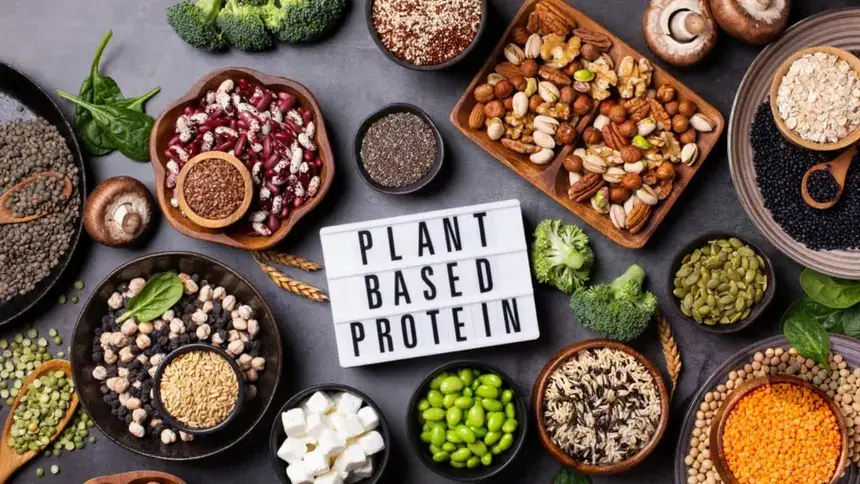
Indian vegetarian cooking is already extraordinarily rich — the dal family alone (masoor, moong, chana, toor, urad) provides diverse protein sources. Legumes (rajma, chole, lobiya), nuts (cashew curries, groundnut chutneys), seeds (til, flax, hemp), and a wide range of vegetables form the foundation of regional cuisines that have sustained populations on plant-based diets for millennia.
What the contemporary plant-based movement adds to this heritage: awareness of specific nutrient considerations (Vitamin B12, which is not reliably found in plant foods and requires supplementation or fortified foods; iron from plant sources combined with Vitamin C for absorption), expanded use of traditional ingredients that had become marginal (jackfruit, which is an excellent meat texture substitute; lotus seeds; various local leafy greens), and new preparation methods that expand the range of plant-based cooking.
The Practical Shifts
For omnivores: reducing red meat (specifically mutton and beef in communities that consume them), reducing processed meat, and replacing some dairy with plant alternatives (oat milk in chai is genuinely good; coconut milk in curries is traditional in South and coastal India) are the highest-impact individual dietary changes. You do not need to go fully vegan for your dietary choices to have meaningful environmental impact.
For vegetarians: the environmental upgrade is specifically in dairy. Replacing some dairy milk with plant milks (oat, almond, soy — soy has the lowest environmental impact of common plant milks), reducing paneer in favour of tofu or legumes (for protein), and increasing the diversity of plant proteins reduce your already-low dietary footprint further.
For vegans: Indian cuisine offers more to work with than almost any other culinary tradition. The challenge is ensuring nutritional completeness — specifically Vitamin B12 (supplement or fortified foods are necessary), adequate protein across the full amino acid profile (achieved by combining grains and legumes, as traditional Indian food naturally does), and adequate omega-3 fatty acids (flaxseed, chia, walnuts).
The Local and Seasonal Dimension
The environmental case for local and seasonal food — lower transport emissions, lower storage energy, and support for regional agricultural diversity — is distinct from but complementary to the plant-based case. India's regional food cultures are built on local and seasonal ingredients by design: Kashmiri cooking uses what grows in Kashmir, Tamil cuisine uses what grows in Tamil Nadu. Reconnecting with this locality — choosing the regional vegetable over the air-freighted exotic one — is a sustainable eating principle with deep Indian cultural roots.



Comments